


Do you sometimes wonder about the food labels you find in supermarkets and discount stores? Entire shelves are set up, and the products practically shout at you: "Lactose-free!" Almost half the refrigerated section is already taken, and you wonder if half the world is now lactose intolerant? What did these people eat a few years ago when "lactose-free" didn't exist? It seems to be the same story with the "gluten-free" label now. What does this word mean, and how can you tell if you might also have problems with gluten? Find out exactly what gluten is all about…
Gluten – what exactly is it?
Wheat, rye, barley, and some other grains contain the protein gluten. Vegetarians use it as a meat substitute after repeatedly washing the flour to remove the gluten. In commercially available baked goods, gluten gives the dough its consistency and shape, allowing it to be baked.
Gluten and celiac disease
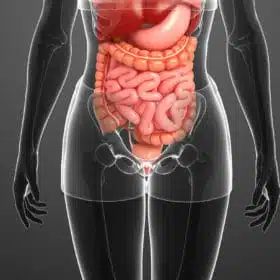
Some people seem to develop an intolerance to gluten. They suddenly can no longer tolerate conventional baked goods. The intestines react suddenly to the foreign protein, resulting in abdominal pain, bloating, diarrhea, and inflammation. This gluten intolerance is called celiac disease.
Who could it affect?
In principle, anyone of any age can be affected by celiac disease. There appears to be a genetic predisposition, but this does not necessarily lead to the disease developing. No treatment options have yet been found – a lifelong avoidance of gluten-containing products is the only way to prevent symptoms. In reality, however, the number of affected individuals is relatively small. It is estimated that approximately 1% of the total population suffers from celiac disease. Because the symptoms of gluten intolerance are not always clear and can also indicate other illnesses, those affected often face a long road to obtaining a confirmed diagnosis.
Gluten sensitivity – a permanent loss of quality of life?
People with this type of allergy can safely choose from the entire spectrum of foods: fruits, vegetables, dairy products, meat, fish, and eggs. Gluten is only found in some grains. As an alternative, there are gluten-free plant varieties such as millet, rice, buckwheat, quinoa, and others. Many well-tolerated products are already made from these. Organic stores, in particular, offer a wide selection of tasty alternatives.
What else can you do?
If you suspect you might also have a gluten sensitivity, you should first gather information about the condition and familiarize yourself with alternative foods. Eliminating your usual baked goods and grain-based foods can lead to a micronutrient deficiency that you may need to address. This is especially true if you are physically active, as you may be lacking in vitamins and minerals. If in doubt, consult a nutritionist or your doctor.
Gluten-free doesn't automatically mean healthy. Even if the label is tempting, don't assume you can eat entire packages of these products. Always read the fine print. These foods can contain other additives, lots of sugar, and high fat content. So, you can actually gain weight from gluten-free foods or even derail your diet.
Packaged and highly processed foods, even those labeled gluten-free, are no substitute for fresh food. Even if they suggest you're getting something special, homemade food without any additives (ideally fresh or flash-frozen) is preferable. Cookies are cookies, after all – gluten-free or not. They simply can't compare to the valuable nutrients in a homemade fruit salad made with seasonal fruit.
Gluten-free products are relatively expensive. If you really want or need to eliminate gluten from your daily diet, you can learn to cook or bake it yourself. This way, you also know exactly what ingredients are in your meals.
Conclusion
Celiac disease research is still ongoing. Making the correct diagnosis can be difficult, as this autoimmune disease often occurs alongside other illnesses. Eliminating gluten from your diet on suspicion alone is a hasty and inappropriate approach. If you suddenly experience frequent symptoms after consuming baked goods, your first step should be to consult a doctor. Only with a comprehensive diagnosis can targeted treatment be effective.



 Home
Home WEIGHT LOSS & SHAPING
 FITNESS & ENERGY
 Glow & Wellbeing
 Bundle Deals
 SHAKER & MORE
 DISCOVER
 Shakes
 Collages
 Booster & Focus
 Sated & Slim
 All products