


The Fat burning For many trainees, this topic remains a mystery, not least because the internet is flooded with conflicting tips and advice. To shed some light on the matter, we've compiled and answered some of the most important questions in this context in this article.
Is it expensive to eat "clean" food?
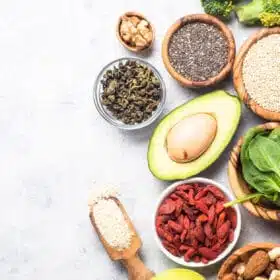
Quality comes at a price, even in the realm of food, but contrary to popular belief, it's significantly less than you might think. Many ready-made meals and convenience products simply don't compare in price to many fresh foods. To keep the extra costs of fresh food manageable, you should, for example, make sure you only buy fruits and vegetables that are currently in season. Furthermore, when buying nuts or other fresh produce, it's definitely worthwhile to buy larger quantities and share them with a training partner, which also helps prevent food waste.
May I eat something after 8 pm?
Of course, it's perfectly fine to eat something after 8 p.m., because there's no such thing as a magical time limit after which food magically accumulates on your hips. What matters in this context is your overall daily calorie balance, which ultimately determines whether you lose fat or not. So, if you haven't yet met your nutrient intake target, there's nothing wrong with making up for it later in the evening. You should simply make sure to eat a relatively light meal so that your digestive system isn't overloaded during the night, allowing you to enjoy a restful sleep.
Can I eat carbohydrates and still boost my fat burning?
Carbohydrates, like proteins and fats, are macronutrients that our bodies need to function effectively. Carbohydrates, in particular, suffer from a bad reputation due to numerous misguided diet fads, a perception that is hardly justified, as they represent a valuable energy source for the body. Consequently, it's important to distinguish between nutritious carbohydrates and those that contain nothing but empty calories. Therefore, you should aim to eat as many complex carbohydrates as possible, such as potatoes, oatmeal, and whole-grain products, and avoid simple sugars.
How can I effectively limit my portion sizes?
Since many amateur athletes underestimate how much they actually eat, effective portion control is essential for optimizing fat burning. The following four rules are suitable for this purpose.
1 – You should no longer place your food on the plate „by eye“, but get yourself a kitchen scale.
2 – Especially with foods that have a high energy density, such as rice or oatmeal, you should pay particular attention to the reading on your kitchen scale.
3 – When planning your meals, you can continue to follow the widely accepted rule that a meal should consist of roughly one quarter starchy side dishes and one quarter a high-quality protein source. The other half is represented by vegetables.
4 – The best way to sustainably control your portion size is to keep a food log, which should no longer be a major problem thanks to modern smartphone apps.
How much protein should I eat?
In this country, most people consume enough protein to meet their daily needs. Since your athletic activity significantly increases your protein requirements, you naturally need to meet these needs through your diet. Numerous scientific studies in recent years have shown that a daily protein intake of 1.5 to 2 grams per kilogram of body weight is perfectly adequate for the average recreational athlete. Higher doses are only of particular interest to elite athletes.
Do I need to avoid red meat to optimize my fat burning?
Quite the opposite, in fact, as red meat is one of the highest-quality protein sources you can utilize for your goals. Furthermore, red meat contains large amounts of the important micronutrients iron, zinc, and vitamin B12. When buying it, however, you should make sure to choose lean products that aren't riddled with fat.
How can I get my family to live healthier lives?
Admittedly, it's not always easy to convince others to adopt a healthier lifestyle, especially one that involves effort. However, if you approach it with a sense of fun and playfulness, your efforts will undoubtedly be successful in the long run. Instead of using terms like "good" and "bad," you could explain the consumption of certain foods by pointing out that they contain antioxidants or other health-promoting substances. Small cooking competitions are another way to get your family excited about your lifestyle.
How many calories should my meals have?
How much energy you should ultimately consume per day depends primarily on your goals and your underlying physical condition. Regardless, it's essential to ensure that portion sizes are neither too large nor too small. A range of at least 300 to a maximum of 500 calories per meal has proven optimal, as this ensures your body is always adequately supplied with nutrients and prevents you from experiencing hunger pangs later in the day.
How much should I drink per day? Does coffee count?
Besides nutrient intake, daily fluid intake is a significant factor in the overall concept of a healthy lifestyle. Therefore, you should consume approximately 1 liter of water per 20 kilograms of body weight per day, which isn't always easy to achieve, especially at the beginning. The following tips can help you reach this goal and stay well hydrated:
1 – Drink a glass of water as soon as you get up.
2 – Make sure you always have a water bottle nearby.
3 – Drink before, during and after each workout.
4 – Place a bottle of water next to your bed.
To determine whether your body is adequately hydrated, you can look at the color of your urine. The lighter the color, the better. Incidentally, coffee also contributes to your fluid balance, as it is far less dehydrating than commonly believed.





 Home
Home WEIGHT LOSS & SHAPING
 FITNESS & ENERGY
 Glow & Wellbeing
 Bundle Deals
 SHAKER & MORE
 DISCOVER
 Shakes
 Collages
 Booster & Focus
 Sated & Slim
 All products