


Does this scene sound familiar? A couple is meeting for a first date. He orders a steak without hesitation, while she orders a salad because, well, it's so feminine. What's wrong with that? It's quite simple: women need protein in their diet just as much as men. Now, many women are afraid that if they consume too much protein, they'll develop masculine muscles. Women simply don't have enough testosterone for that. This risk only exists if you take certain illegal substances. Since you'll never do that, you can focus entirely on a protein-rich diet. This way, you not only promote beautiful, feminine muscles, but protein also has a positive impact on your overall health. Contrary to popular belief, you can consume significantly more protein. The recommended daily allowance of 0.7 grams per kilogram of body weight applies to both women and men who sit all day and don't exercise. You train intensively and need considerably more protein. Undoubtedly, the question now is: which protein should you choose? Ultimately, it's a matter of balance. You should consume a variety of protein sources. Certain foods are better suited for protein intake, while others optimally supplement your protein levels. How often should you consume protein, and how can you incorporate protein-rich foods into your daily routine?
Protein: Animal sources with various benefits
What kind of animal protein is best? Chicken, eggs, and canned tuna with added water are well-known great sources of lean protein. However, it turns out that different protein sources offer different health benefits. You should take advantage of this to get protein from a variety of foods. In addition to the sources mentioned above, as well as lean beef, you can also get high-quality protein from lean pork, other poultry, whey and casein, milk (if you are lactose intolerant), fish, nuts, beans, and soy. A few of these protein sources will now be explained in more detail. Red meat is good for your memory. If you remember your PIN more quickly at the ATM, it might have been that steak you had for lunch. This is thought to be due to the creatine content in beef. This creatine also has benefits for your workouts. It can increase your strength. Furthermore, red meat contains zinc and iron, both of which are crucial for proper metabolic function and help deliver oxygen to working muscles. The meat from organic, grass-fed cattle contains a certain amount of conjugated linoleic acid (CLA). This is a healthy fat that increases insulin sensitivity and helps reduce body fat. It supports your body in using carbohydrates as an energy fuel instead of converting them into fat and storing them.
Lean pork can offer similar benefits and promote muscle growth. It has a similarly favorable fat-to-fat ratio to turkey and is rich in thiamin. This nutrient is often lacking in the average diet. Thiamin is a key element for metabolism, as it efficiently converts carbohydrates to provide energy for the muscles. It also aids in the repair of damaged muscle fibers, which can be affected not only during intense training. Other components of healthy, lean pork can help regulate energy release, boost your immune system, and strengthen your bones. When choosing meat, it's essential to ensure that the animals come from humane farming practices. Organic products are highly recommended, as they offer the best chance of meeting the quality standards you need for your diet.
Plant protein
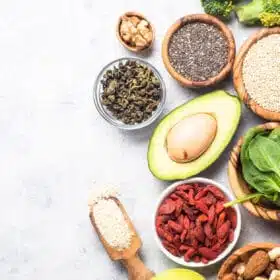
There are several plant-based protein sources. Soy is certainly very well-known. Beans are particularly important. As a woman, you should definitely include this vegetable in your diet. It not only contains valuable plant-based protein, but the folic acid found in beans can prevent birth defects in the unborn child's spinal cord. This occurs very early in pregnancy, when many women are still unaware of their condition. Beans are rich in magnesium and iron. They provide not only satiating protein but also plenty of fiber, helping to keep your stomach feeling full and flat. Ideally, you should eat beans three or more times a week.
How do you incorporate protein intake into your daily routine?
Now you have a general idea of how much protein you should eat, why it's so important, and which protein sources to choose. So how can you integrate protein-rich foods into your daily routine? Here are a few simple ways to incorporate more protein into your day without spending a lot of time or effort. Cottage cheese and quark are quick to prepare. Hard-boiled eggs also don't take long. A grilled piece of meat marinated in balsamic vinegar with olive oil and rosemary is also very quick to cook. Make yourself a quick Greek yogurt with fresh or thawed fruit or vegetables. A breakfast egg and turkey sausage are just as quick to prepare as a salad with salmon and chickpeas. Finally, protein shakes are a fast and usually inexpensive source of protein as a dietary supplement. The main thing is to have a plan. Cooking in advance for the week would be ideal. This way, you can consume your protein exactly as you want each day. Next time you have dinner with your partner or socialize, you'll order something with protein. Change your stereotypical behavior and lay the foundation for a healthy and slim future.


 Home
Home WEIGHT LOSS & SHAPING
 FITNESS & ENERGY
 Glow & Wellbeing
 Bundle Deals
 SHAKER & MORE
 DISCOVER
 Shakes
 Collages
 Booster & Focus
 Sated & Slim
 All products